Skip to content

Bidirectional Charging System Troubleshooting in Brownsburg, Indiana

Voltage testing checks the charging path for vehicle-to-home systems in Brownsburg. We trace the fault through the pilot signal, ground fault protection, and connection status.

Licensed & InsuredWarranty AvailableSame-Day ServiceUpfront, Transparent Pricing

Quick Summary: Vehicle-to-home charging troubleshooting in Brownsburg, Indiana

Bidirectional charging system troubleshooting in Brownsburg is provided by GMB Electric for vehicle-to-home charging faults, connection checks, and electrical diagnosis. We provide 24-hour electrical service for homeowners and businesses throughout Indianapolis and surrounding communities.

  • What we do: GMB Electric provides bidirectional charging system troubleshooting for vehicle-to-home charging equipment in Brownsburg, Indiana.
  • What is included: We check voltage, pilot signals, ground fault conditions, battery state, and connection status.
  • What you get: The customer receives a clear diagnosis and a defined next step for restoring proper charging operation.

Why does vehicle-to-home charging keep stopping in Brownsburg, Indiana?

Voltage testing identifies whether repeated charging stops come from the supply, control signal, ground fault protection, battery state, or connection status.
Bidirectional Charging System Troubleshooting in Brownsburg

Vehicle-to-home charging has more control points than a standard outlet or one-way EV charger. A fault may involve the supply voltage, pilot signal, ground fault protection, battery state, or connection status.
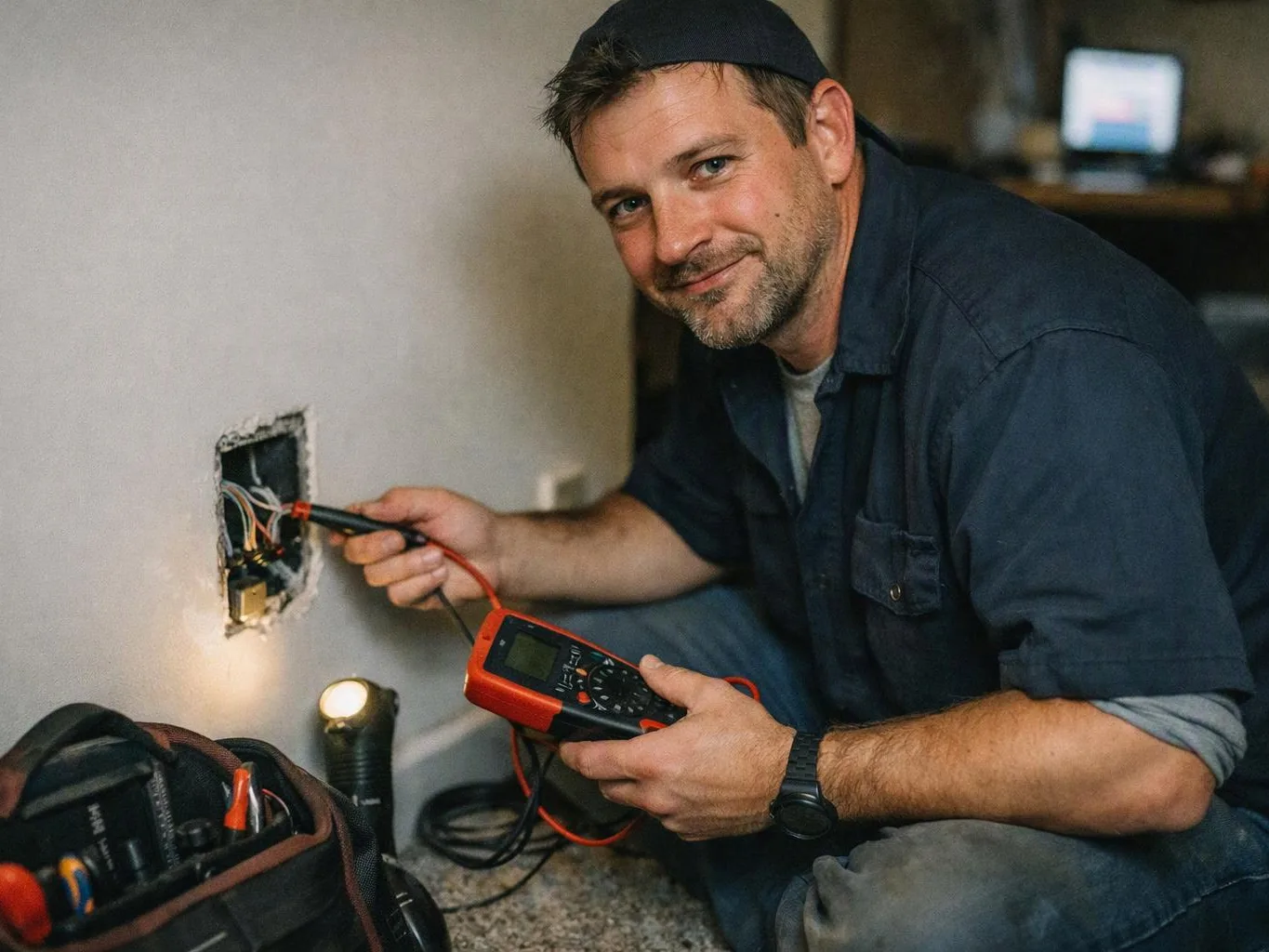
The buyer's main decision is whether the issue needs electrical troubleshooting or a separate equipment service call. We test the electrical side, trace the fault, and explain when the concern points to the vehicle or charging equipment.

This page focuses on charging problems that interrupt power transfer. It does not treat every vehicle fault as a property wiring issue.

  • Check whether the property supplies the voltage required by the charging system.
  • Review the pilot signal that controls the charging connection.
  • Look for ground fault conditions that stop power flow.
  • Confirm the connection status between the vehicle, charger, and property.
  • Separate an electrical supply issue from an equipment or vehicle fault.
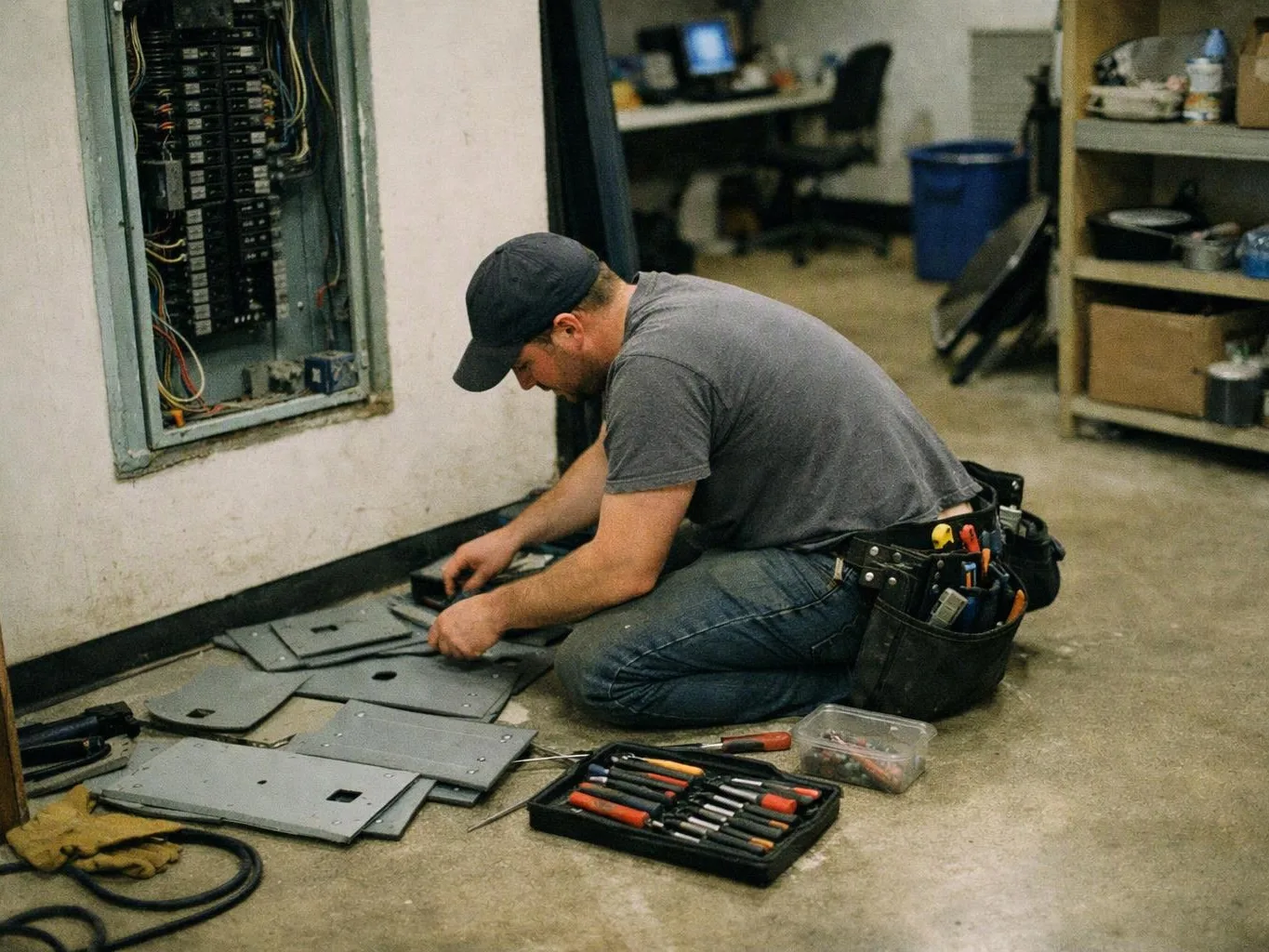
A man kneels on the floor assembling metal panels beside an open electrical breaker box in a workshop

Service Overview

Bidirectional charging system troubleshooting is an electrical service that checks why power does not move correctly between a vehicle and a property.

  • It differs from standard EV charging installation because the work focuses on diagnosis, testing, and fault isolation after a charging problem appears.
  • We provide this service for homes and businesses in Brownsburg.

What This Charging Diagnosis Changes for You

You get a clearer answer about where the charging fault begins.

Testing helps separate a property electrical issue from a vehicle or charger issue.

A documented fault path supports a more focused repair decision.

The diagnosis helps protect the system from repeated resets and unsafe electrical conditions.

Homeowners and businesses can plan the next electrical step with better information.

What Vehicle-to-Home Charging Troubleshooting Includes

GMB Electric provides comprehensive Bidirectional charging system troubleshooting in Brownsburg. Here's what you get:

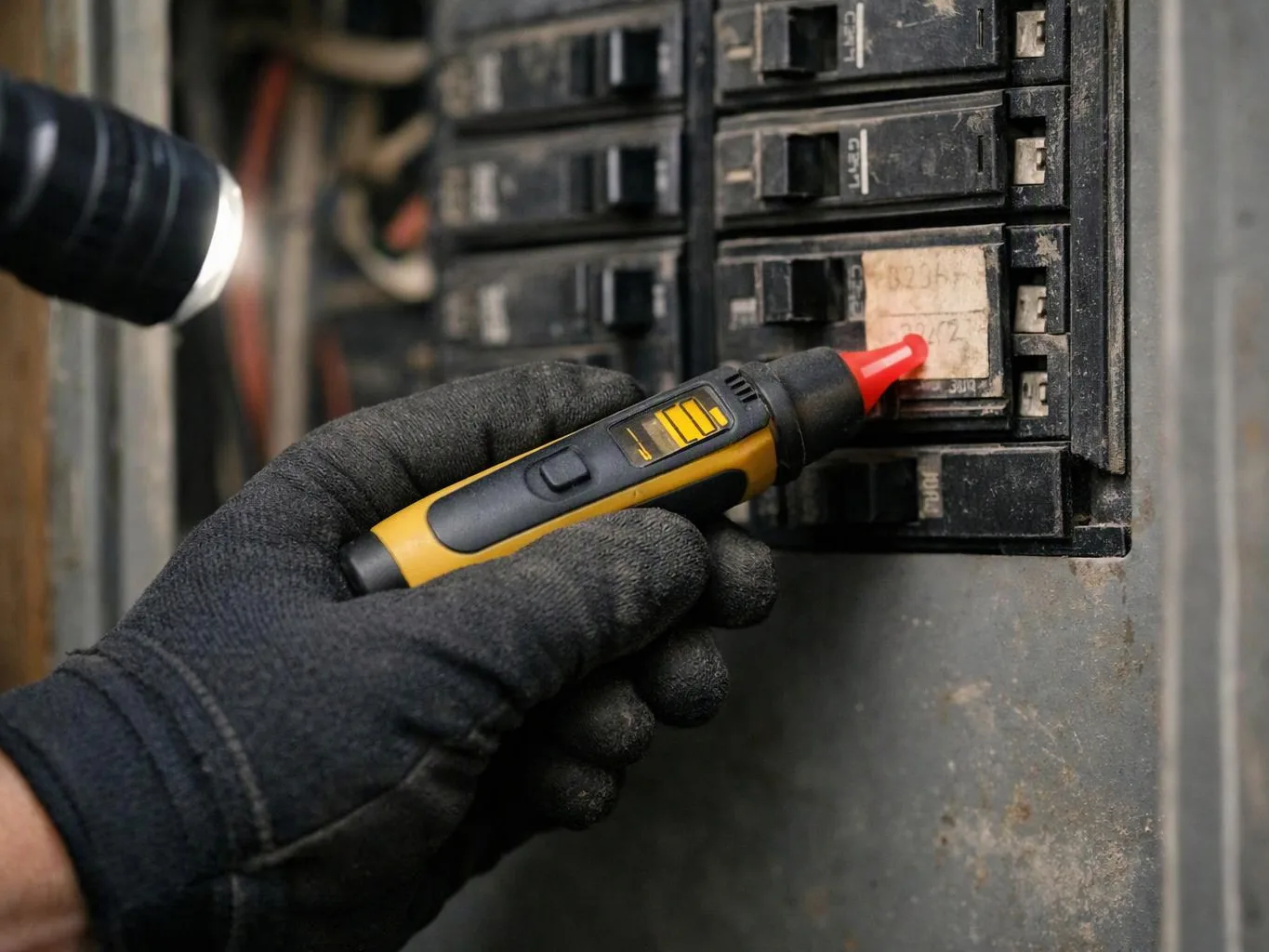
  • We test the electrical supply feeding the bidirectional charging system.
  • We trace the pilot signal that controls charging permission and power flow.
  • We check for ground fault conditions that can interrupt operation.
  • We review battery state and connection status during the fault.
  • We explain whether the next step involves wiring, charging equipment, or the vehicle.
Process

Steps We Use to Diagnose Charging Problems

1

Confirm the reported charging symptom

We review when charging stops, what the system displays, and whether the fault repeats after reconnection.

2

Test the property electrical supply

We check voltage at the charging circuit and trace the supply path that supports vehicle-to-home power transfer.

3

Check the control and safety signals

We review the pilot signal, ground fault condition, battery state, and connection status.

4

Separate the repair scope

We explain whether the next step involves property wiring, charging equipment, or a vehicle-side concern.

5

Provide the quote or assessment

We describe the work required and provide a quote or assessment based on the confirmed scope.

A situation this service fits

A typical local situation involves a home or business where vehicle-to-home charging stops after connection. We check the supply voltage, pilot signal, ground fault protection, battery state, and connection status, then identify whether electrical repair or equipment service is the proper next step.

How We Approach Vehicle-to-Home Charging Faults

Start with the supply voltage

The first useful decision is whether the property sends the right electrical supply to the charging system. We check that path before narrowing the fault to control or equipment behavior.

Follow the charging control path

Pilot signal and connection status show whether the system is allowing power transfer. We use those checks to explain where the charging sequence stops.

Know when the job changes

This service fits an electrical or charging fault that needs diagnosis. It is the wrong job when the vehicle needs internal battery repair that does not involve the property electrical system.

Charging Fault Areas We Compare

These fault areas help show which part of the vehicle-to-home charging path needs attention.

Fault areaWhat we checkWhat it helps decide
Property supply voltageVoltage at the charging circuit and supply pathWhether the property can support the charging cycle
Pilot signalControl signal between the vehicle and chargerWhether charging permission is being exchanged
Ground faultSafety condition that can stop power transferWhether the system is interrupting operation for protection
Connection statusConnection between the vehicle, charger, and propertyWhether the charging cycle can begin and continue

The GMB Electric Standard

  • Urgent Assistance
  • Problem Diagnosis
  • Safe Repairs
  • Clear Communication

Questions About Vehicle-to-Home Charging Faults

How can vehicle-to-home charging problems be diagnosed?

Voltage testing shows whether the property supplies the charging system correctly. GMB Electric then checks the pilot signal, ground fault condition, battery state, and connection status. These checks help separate a property wiring fault from a vehicle or charger issue. The findings guide the repair scope or the next equipment service step.

What tells me this troubleshooting service fits my property?

A recurring charging stop, failed power transfer, or electrical warning makes this service a useful fit. The property must have a vehicle-to-home charging system that connects to its electrical supply. We test that connection and explain when the concern belongs with the vehicle manufacturer or charging equipment service.

Which part of the property decides the troubleshooting scope?

The charging circuit and its connection to the electrical panel usually decide the scope. Access to the circuit, protective devices, wiring path, and charging equipment affects the checks we perform. We review those points before separating a property repair from a charger-side or vehicle-side concern.

When should a charging fault become an urgent electrical call?

A burning smell, buzzing panel, sparking connection, or repeated breaker trip calls for urgent electrical attention. Stop using the affected equipment and keep clear of damaged parts. Our 24-hour electrical service handles urgent electrical issues, while the charging fault still requires a careful electrical diagnosis.

Why does battery state matter during charging diagnosis?

Battery state matters because the vehicle may limit or stop charging when its operating conditions do not permit power transfer. We compare that condition with the property supply and charger signals. This helps show whether the electrical system is stopping the cycle or the vehicle is controlling it.

Which material changes how long the charging diagnosis takes?

The wiring and access around the charging circuit can change the work involved. Concealed wiring, damaged conductors, or limited panel access require more tracing than an accessible circuit. We inspect the actual path and explain the time and scope after those conditions are clear.
Contact

Request a Quote for Charging Troubleshooting in Brownsburg

Ask GMB Electric about bidirectional charging system troubleshooting, and urgent requests get priority scheduling.

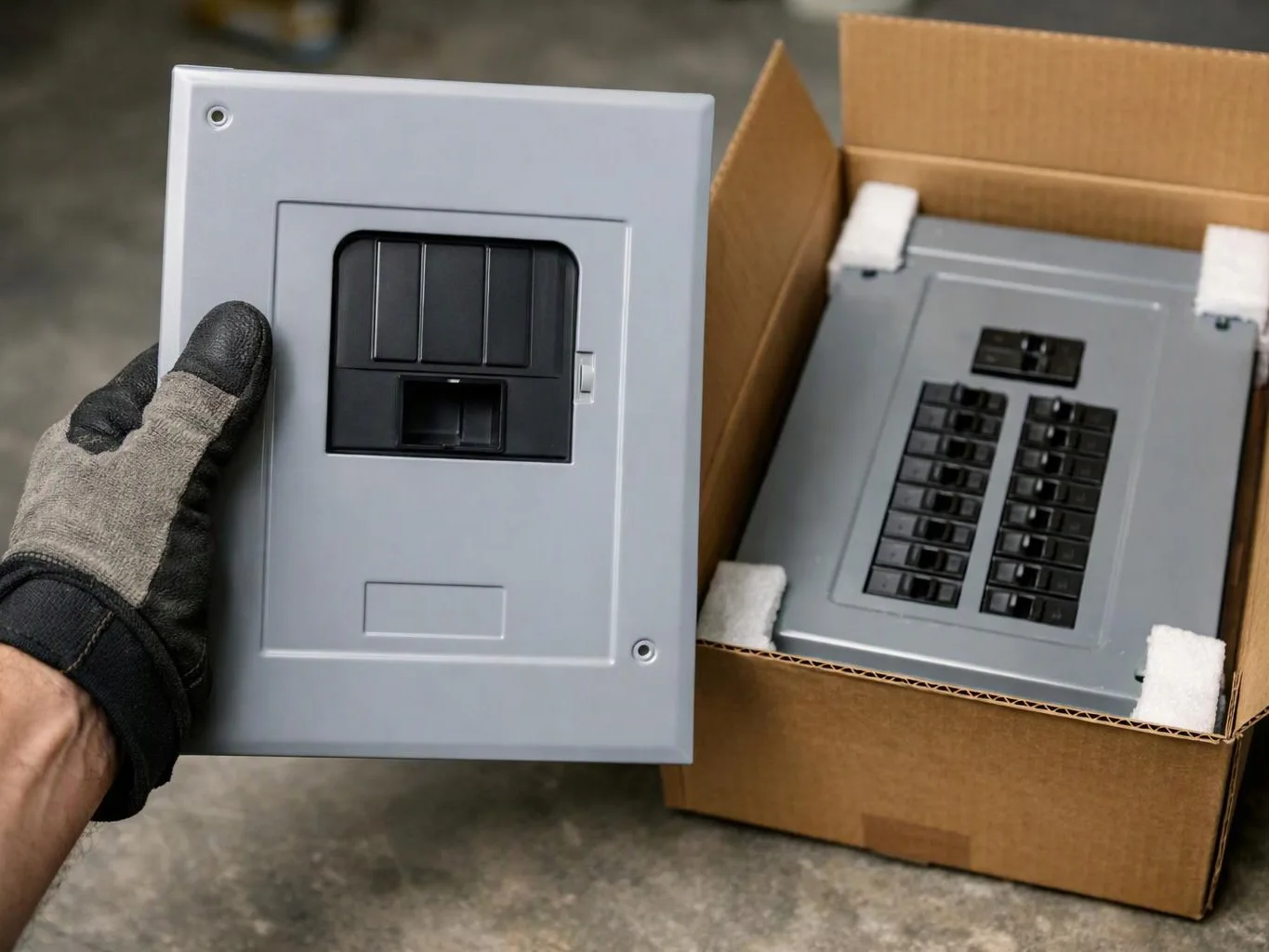
A gloved hand holds a gray electrical breaker panel cover beside an open cardboard box with another panel inside

ZIP Codes We Serve in Brownsburg, Indiana

46112

Bidirectional charging system troubleshooting in Other Areas

(317) 608-1220