Who provides bidirectional charging system troubleshooting in Fishers?
GMB Electric provides bidirectional charging system troubleshooting in Fishers for residential and commercial properties. We inspect property-side wiring, circuit protection, charger connections, and related electrical conditions. Vehicle software or internal charger faults can require equipment support, but we explain that boundary after the electrical checks.
What should be checked before troubleshooting is scheduled?
The vehicle model, charger model, warning message, cable condition, and recent system changes should be recorded first. Share a photo of the charger display and electrical panel if it is safe to do so. Do not handle damaged cables, burning components, or sparking equipment. Those signs need urgent electrical attention.
How does a low battery prevent charging from starting?
A low battery can trigger a vehicle or charger safety lockout before bidirectional power transfer begins. We check the displayed charge state, system alerts, cable connection, and charger settings. If the system remains blocked after the vehicle reaches its required operating condition, we trace the property circuit and separate electrical faults from equipment limits.
Which parts change the quote for this troubleshooting job?
The fault location, circuit access, wiring condition, and testing needed change the quote. A cable or connection check differs from tracing a panel circuit or reviewing a service entrance. We inspect the available equipment and explain the work included before setting the final scope.
When is this service the wrong fit?
This service is the wrong fit when the issue requires internal vehicle repair or manufacturer-only charger service. We still check the property-side electrical conditions first. Our findings can help show whether the vehicle, charger, utility setting, cable, or building circuit needs the next review.
What happens at each stage of the troubleshooting visit?
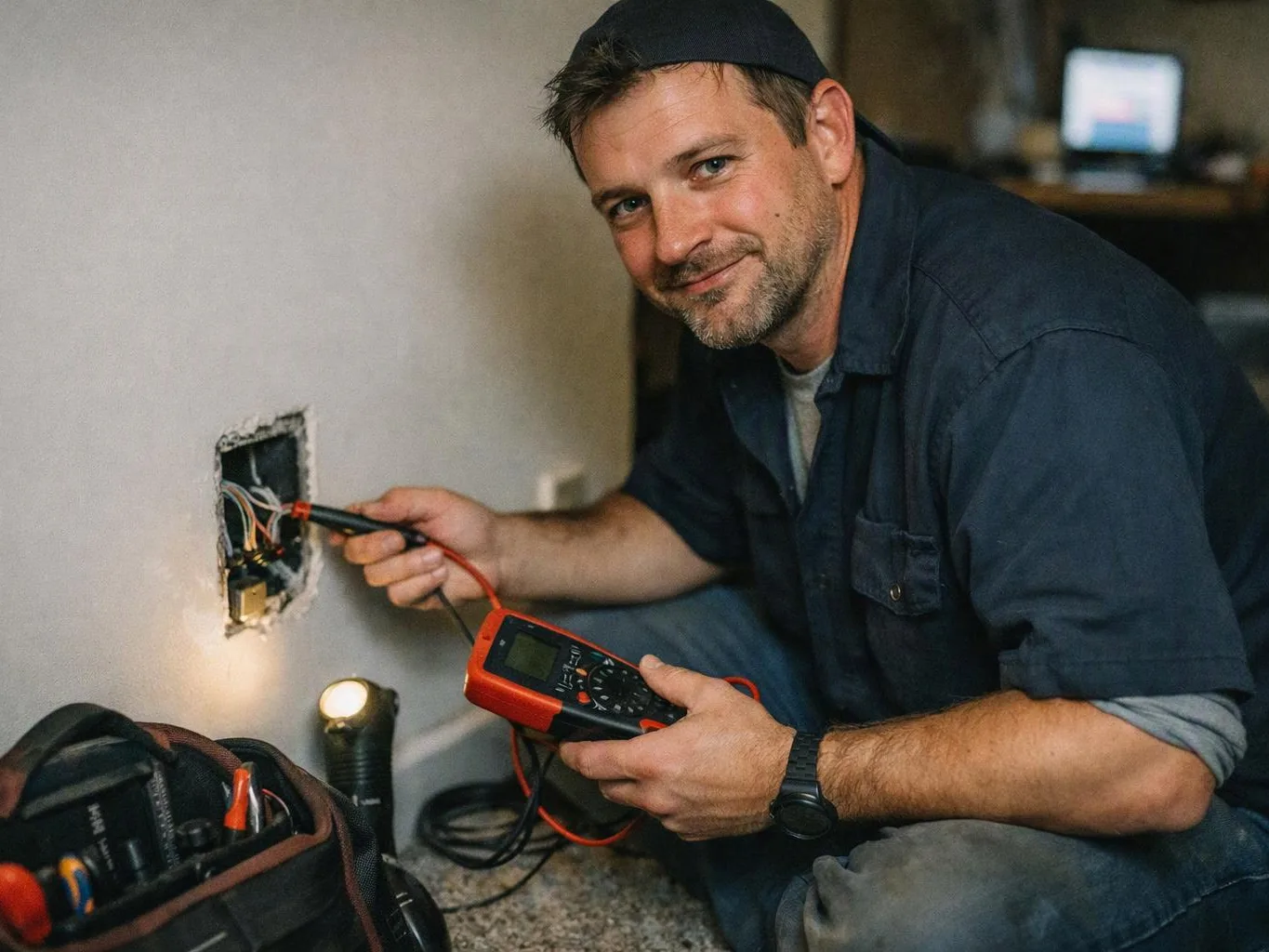
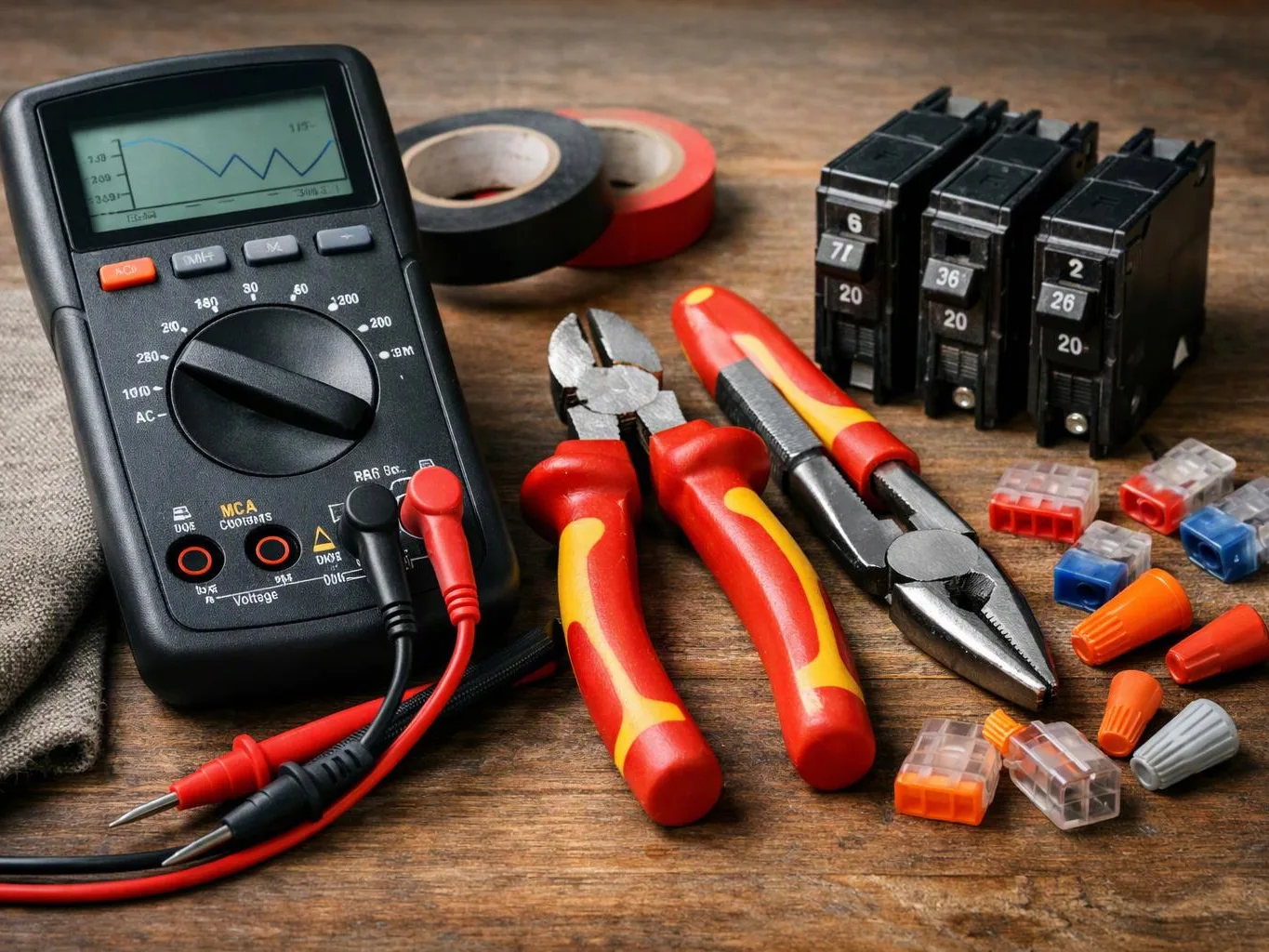
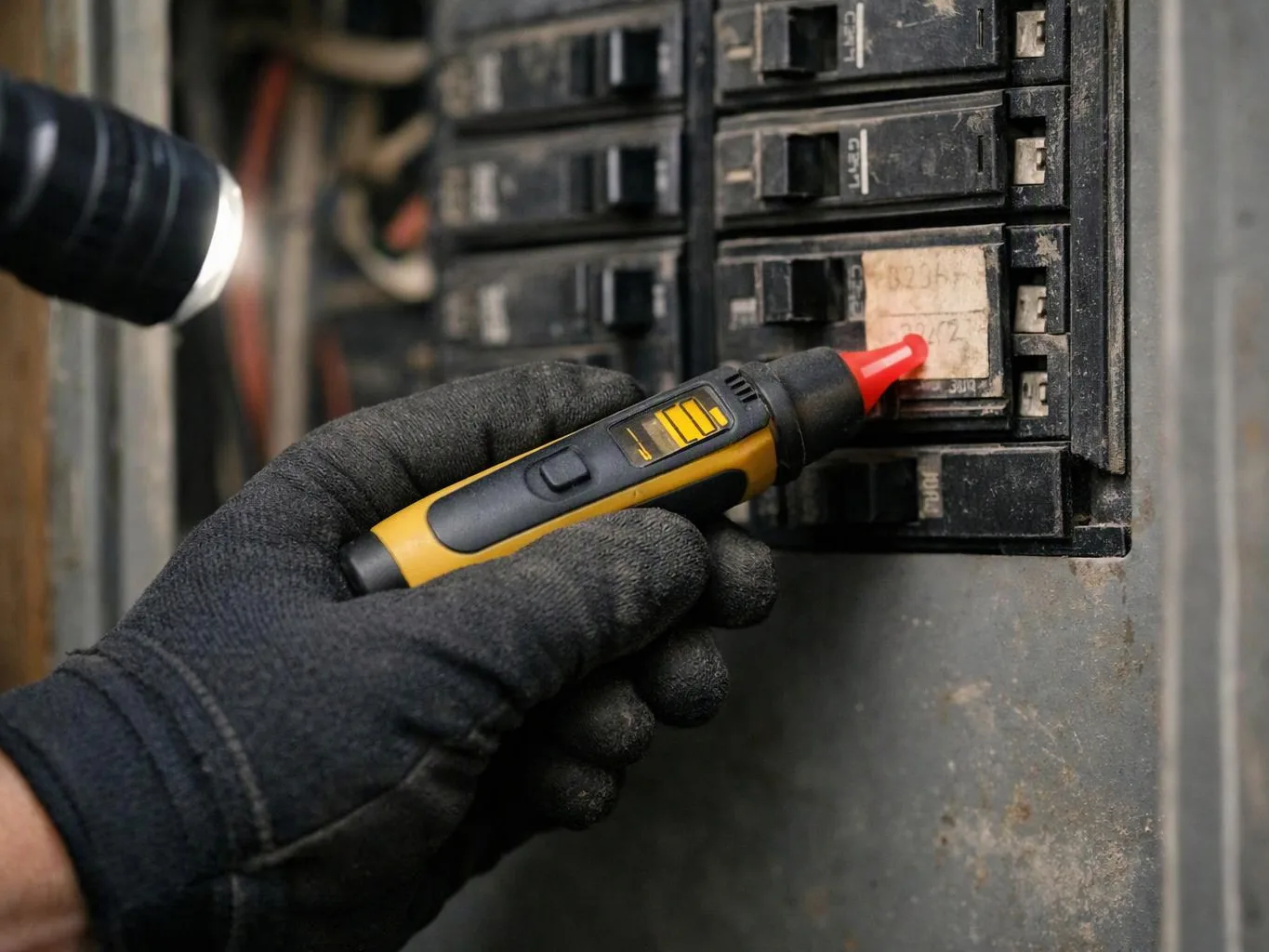
The visit starts with the charging symptom, then moves through equipment checks, circuit tracing, fault isolation, and testing. We review the vehicle and charger information before checking accessible wiring and connections. The final discussion explains the repair scope or the equipment support needed.
Can a tripped breaker cause a bidirectional charger to stop?
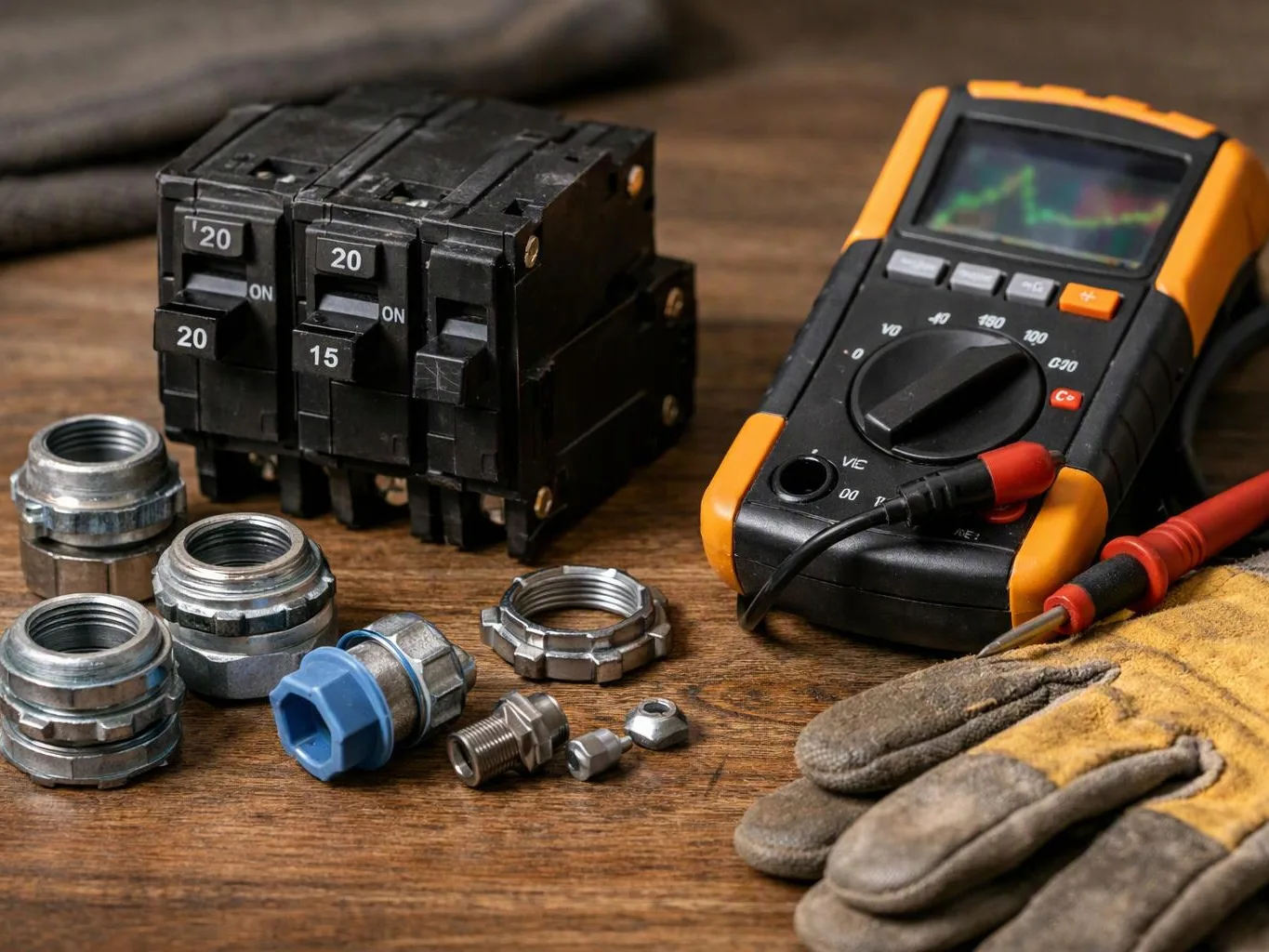
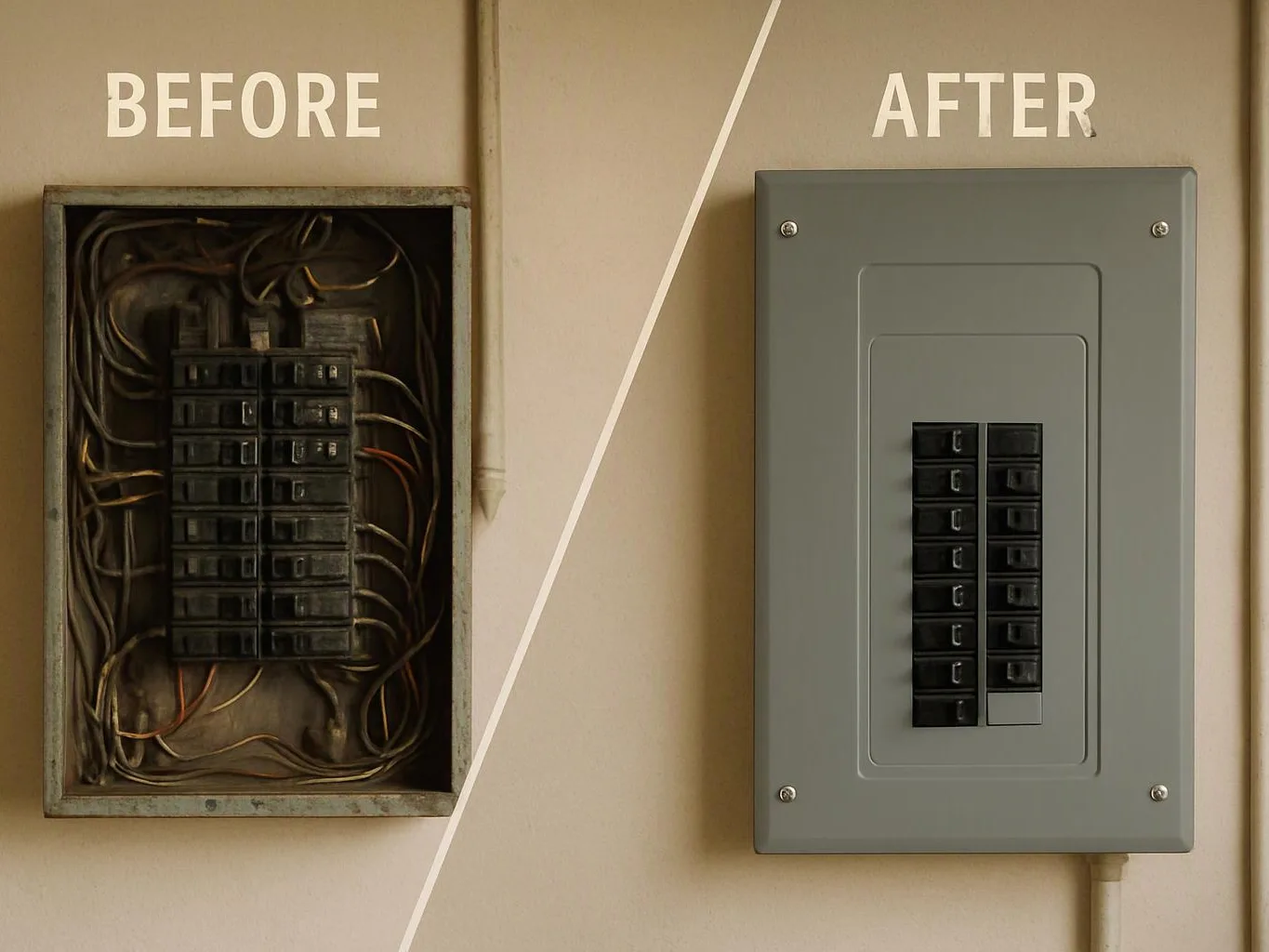
Yes, a tripped breaker can stop the charger from receiving power. We check the breaker, circuit condition, panel connections, and signs of overload before resetting or repairing anything. Repeated trips need diagnosis because the cause could involve wiring, charger demand, or another electrical fault.