Skip to content

Bidirectional Charging System Troubleshooting in Southport, Indiana

Communication failure checks cover the charger link in Southport. We trace the fault before recommending the next electrical step.

Licensed & InsuredWarranty AvailableSame-Day ServiceUpfront, Transparent Pricing

Quick Summary: Bidirectional Charger Troubleshooting in Southport, Indiana

Bidirectional charging system troubleshooting in Southport is provided by GMB Electric for charger communication faults, power-transfer issues, and related electrical checks. Service covers homeowners and businesses across Indianapolis and surrounding communities, with 24-hour electrical service available.

  • What we do: GMB Electric provides bidirectional charging system troubleshooting for Southport homes and businesses.
  • What is included: We trace charger communication faults, check transfer controls, test related electrical circuits, and explain the repair scope.
  • What you get: The customer receives a tested fault path and a clear decision about repair, adjustment, or further electrical work.

Why does my bidirectional charger keep failing to transfer power?

Communication failure often stops a bidirectional charger from transferring power. The fault can also involve grid settings, an inverter fault, a transfer relay, or firmware. We test the charger link and related electrical controls before setting the repair scope. A burning smell, buzzing panel, or sparking outlet needs urgent electrical attention.
Tailored Solutions for Southport

Bidirectional charging system troubleshooting focuses on the reason power stops moving through a two-way charging setup. The buyer needs to know whether the issue sits in the charger link, grid settings, inverter, transfer relay, or firmware.

This service fits property owners with a bidirectional charger that shows a fault, stops backup power, or fails to send energy where expected. The work does not replace a full installation when the equipment or wiring needs a separate upgrade.

We test the fault path and explain the decision in plain language. That helps you choose between a repair, a setting change, or a broader electrical inspection.

  • Record the charger warning message before resetting the system.
  • Note whether charging works in one direction but not the other.
  • Keep access clear to the charger, electrical panel, and related equipment.
  • Ask for the test findings and the recommended next electrical step.
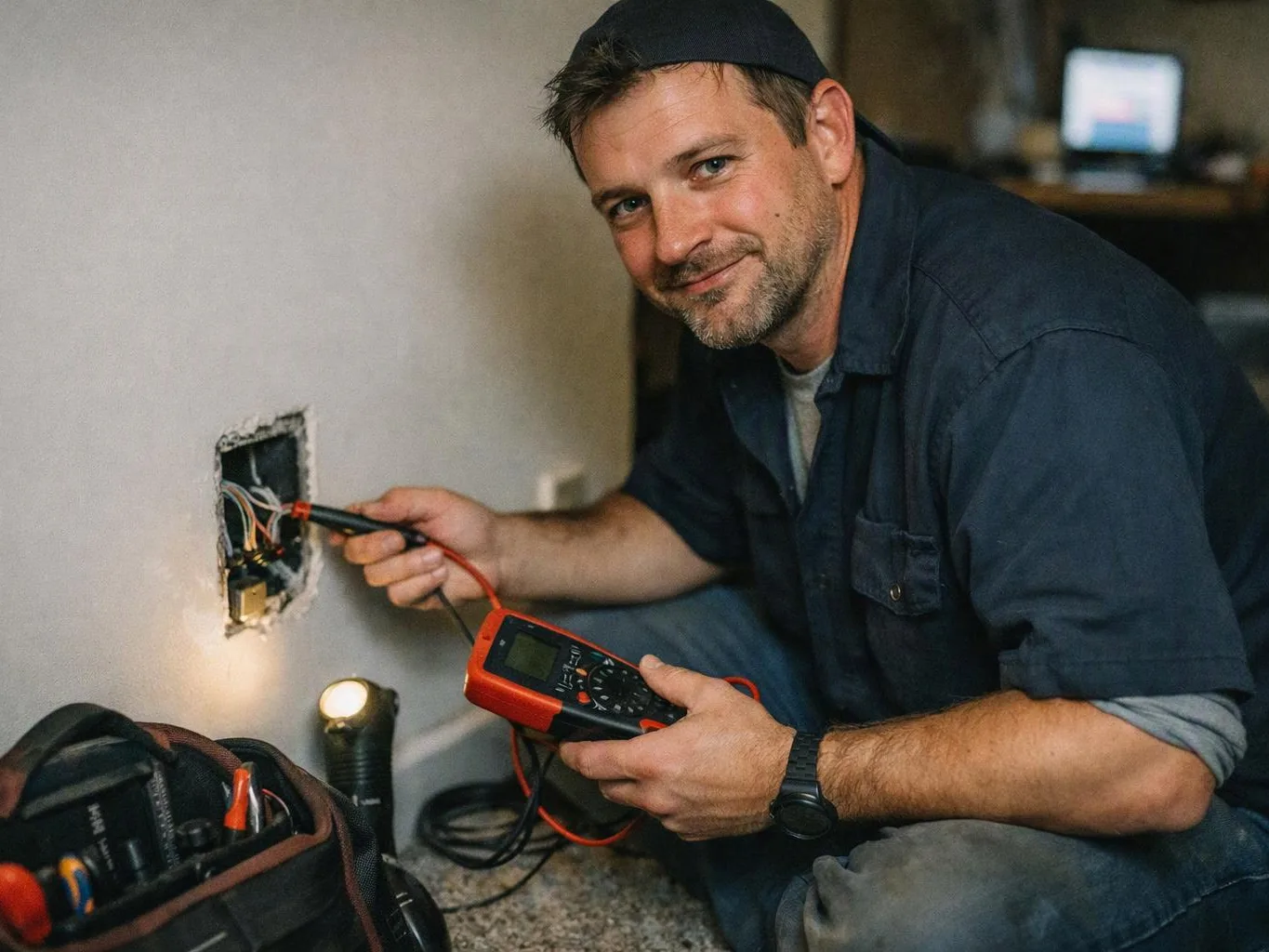
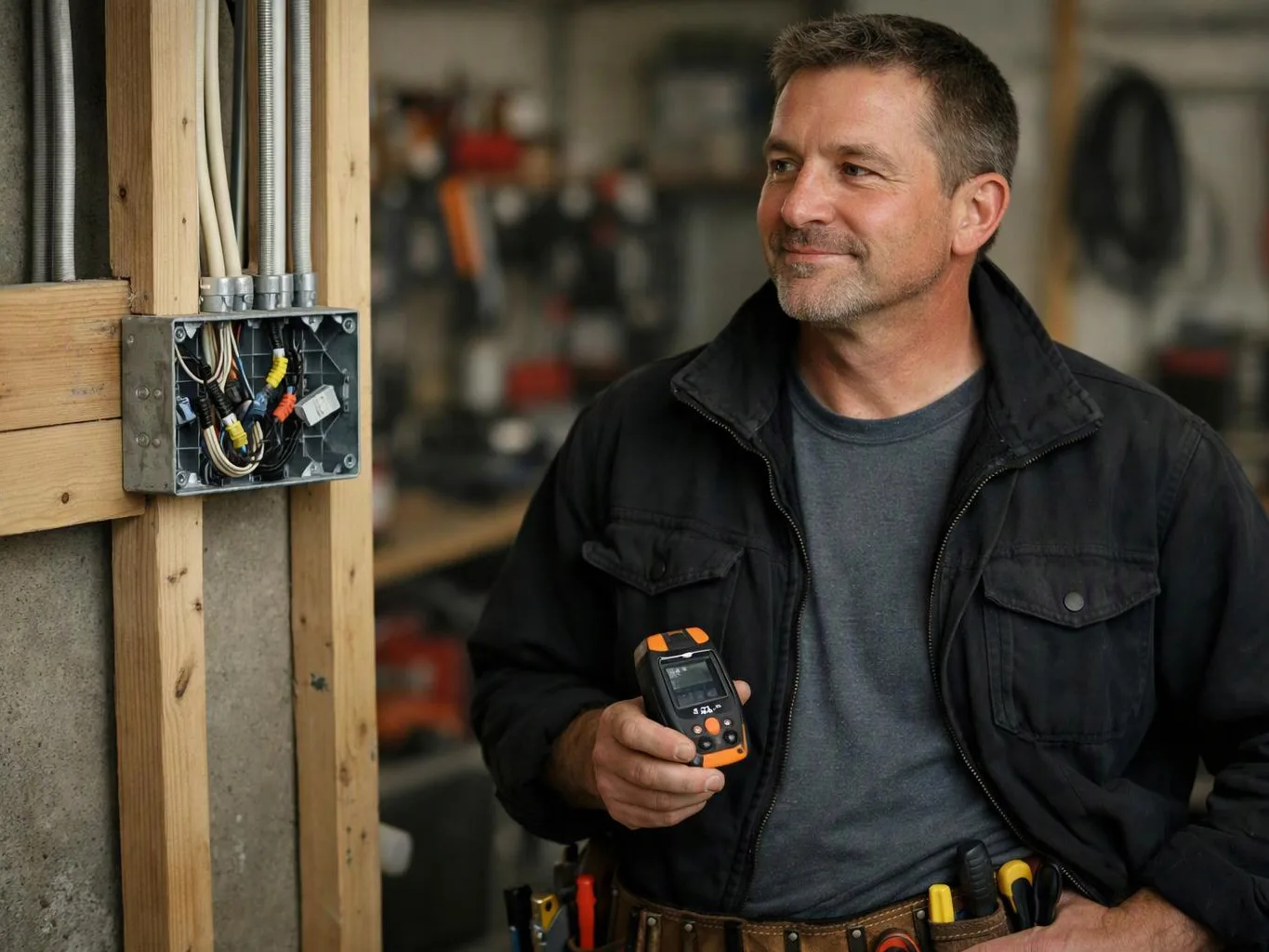
A smiling electrician holds a handheld tester beside an open wall electrical box in a workshop

Service Overview

Bidirectional charging system troubleshooting is a diagnostic service that finds why power will not move between the charger, vehicle, property, or grid.

  • The work differs from a standard EV charging installation because it tests an existing power-transfer problem instead of only adding a charging circuit.
  • GMB Electric provides this troubleshooting service for Southport homes and businesses.

What This Charger Troubleshooting Helps You Decide

A fault-path check separates a control problem from a wider electrical issue.

Testing helps identify whether the charger can support the intended power-transfer function.

Clear findings help homeowners and businesses plan the next repair without guessing.

The work can identify a panel, circuit, or transfer control concern that needs separate attention.

Southport property owners get a service choice based on the observed equipment fault.

What Bidirectional Charger Troubleshooting Includes

GMB Electric provides comprehensive Bidirectional charging system troubleshooting in Southport. Here's what you get:

  • We inspect the charger connection and trace the communication path.
  • We check grid settings that affect two-way power transfer.
  • We test for an inverter fault that could stop energy movement.
  • We examine the transfer relay and related control signals.
  • We consider firmware issues when the equipment reports a software fault.
  • We explain whether the next step is repair, adjustment, or another electrical service.

How We Approach Bidirectional Charger Faults

Start with the transfer symptom

We begin with what the charger does, such as stopping during transfer or showing a fault. The charger link is the first useful clue, not a reason to replace equipment at once.

Trace controls before changing parts

Grid settings, inverter signals, and the transfer relay each affect two-way power. We test those points so the repair scope follows the evidence.

Separate troubleshooting from installation

This service fits an existing bidirectional charging problem. A new circuit, panel upgrade, or charger installation needs a separate scope and quote.

Process

How We Troubleshoot a Bidirectional Charging System

1

Record the transfer symptom

We review when the fault appears, what direction of power transfer fails, and which warning the charger displays.

2

Trace the communication path

We test the charger link and inspect the signals that control the transfer sequence.

3

Check grid and inverter status

We review grid settings and test for an inverter fault that could block the handoff.

4

Test the transfer relay

We check the relay and related control signals when the system cannot change between power paths.

5

State the repair in plain words

We explain the finding and identify whether the next step involves adjustment, repair, or separate electrical work.

Bidirectional Charger Fault Paths We Check

The table separates common fault areas so you can describe the symptom accurately.

Fault areaWhat it may stopWhat we check
Communication failureControl messages between connected equipmentCharger link and reported fault sequence
Grid settingsAllowed direction or transfer modeSystem settings and operating state
Inverter faultConversion of power for the transferInverter status and related signals
Transfer relayChange between power pathsRelay control and transfer response

The GMB Electric Standard

  • Urgent Assistance
  • Problem Diagnosis
  • Safe Repairs
  • Clear Communication

Questions About Bidirectional Charger Troubleshooting

Why is my bidirectional charger not transferring power?

Communication failure is the first issue we check when a bidirectional charger will not transfer power. GMB Electric also tests grid settings, the inverter, the transfer relay, and firmware-related faults. The displayed warning and the direction of failed power flow help set the test path. We explain the finding before recommending repair or additional electrical work.

How does a troubleshooting visit move from the first call to the last step?

The visit moves from symptom review to testing, fault tracing, and a written repair decision. We review the warning message and power-transfer behavior first.

  • We inspect the charger and accessible controls.
  • We test the communication and power path.
  • We explain the finding and quote the next scope.

The final step depends on the equipment fault and any separate wiring need.

What property setup fits this troubleshooting service?

An existing bidirectional charger fits this service when it stops, faults, or fails to send power as expected. The charger, vehicle connection, electrical panel, and backup equipment must be accessible for testing. We do not treat a new charger installation as the same job. That work needs its own electrical scope.

Which part of the property decides the troubleshooting scope?

The connected electrical equipment decides the scope, especially the charger, panel, inverter, and transfer controls. A fault limited to communication needs a different path from a panel or circuit issue. We inspect the accessible power route and identify any separate electrical work. The property owner receives the next-step recommendation after testing.

When should a charger fault become an urgent electrical call?

A charger fault becomes urgent when it appears with a burning smell, buzzing panel, sparking outlet, or visible heat. Stop using the affected equipment and keep people away from the hazard. GMB Electric provides 24-hour emergency electrical response. We handle the electrical safety concern before treating the charging fault as a routine control issue.

How does firmware affect bidirectional charging faults?

Firmware can interrupt the control sequence that starts or maintains two-way power transfer. We review the charger warning and system behavior, then check whether the reported fault points to software or electrical control. Firmware work may require equipment-specific instructions. We explain that limit before any repair or setting change.
Contact

Request a Quote for Bidirectional Charger Troubleshooting

Tell us what the charger is doing, and urgent requests get priority scheduling.

A worker installs a ceiling smoke detector in a hallway, holding the sensor cover and a screwdriver

Bidirectional charging system troubleshooting in Other Areas

(317) 608-1220