Skip to content

Bidirectional Charging System Troubleshooting in Carmel, Indiana

Checking the low battery state helps us trace charging faults in Carmel. We inspect the vehicle, charger, cable, and system settings.

Licensed & InsuredWarranty AvailableSame-Day ServiceUpfront, Transparent Pricing

Quick Summary: Bidirectional charging system troubleshooting in Carmel, Indiana

Bidirectional charging system troubleshooting in Carmel is provided by GMB Electric for homes and businesses. The service covers charging faults, vehicle and charger compatibility, cable checks, and system settings as part of our 24-hour electrical service.

  • What we do: GMB Electric provides Bidirectional charging system troubleshooting for Carmel, Indiana homes and businesses.
  • What is included: We check vehicle support, charger support, cable faults, utility settings, and charging system signals.
  • What you get: The customer receives a clear diagnosis and a practical decision about the next electrical repair step.

Why does low battery stop bidirectional charging from starting?

Low battery can prevent bidirectional charging from starting when the vehicle cannot meet the system's operating conditions. GMB Electric checks the vehicle state, charger support, cable connection, and control settings to separate a normal start condition from an electrical fault. The diagnosis helps determine whether the issue needs system repair, a supported component, or further vehicle service.
Bidirectional Charging System Troubleshooting for Carmel Properties

Bidirectional charging system troubleshooting focuses on the reason charging will not start, stops early, or fails to transfer power as expected. The work suits property owners with an installed bidirectional charger, an EV with power-sharing capability, or a system that recently developed a warning.

Customers need a diagnosis that separates vehicle limits from electrical faults. An incompatible vehicle, unsupported charger, utility setting, or damaged cable can create similar symptoms. We check the system path before recommending repair or further equipment work.

The decision is often simple after testing. The system may need an electrical repair, a supported component, a setting change, or service from the vehicle or charger maker. This page focuses on that diagnosis, not a general panel or outlet repair.

  • Confirm whether the vehicle supports bidirectional power flow.
  • Check whether the charger supports the intended charging mode.
  • Inspect the cable and connection points for visible faults.
  • Review utility and system settings that control power flow.
  • Separate an electrical fault from a vehicle or charger limitation.
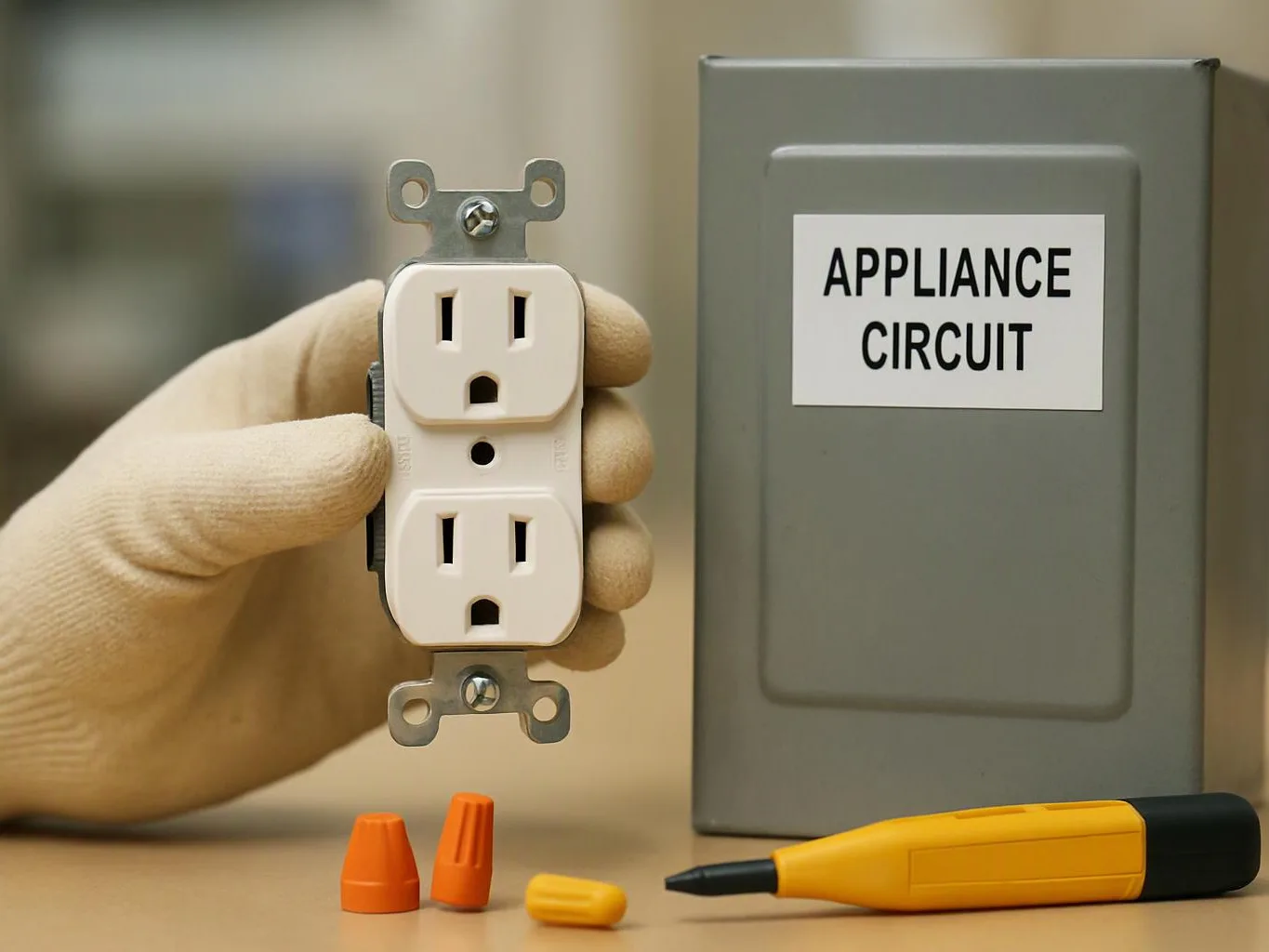
A gloved hand holds a duplex electrical outlet beside a gray box labeled “APPLIANCE CIRCUIT”

Service Overview

Bidirectional charging system troubleshooting is a diagnostic service that finds why a vehicle cannot send or receive power through a supported charger.

  • This work differs from a standard EV charging installation because it tests an existing power-sharing setup and its control path.
  • GMB Electric provides this service for homes and businesses in Carmel.

What Bidirectional Charging Troubleshooting Includes

GMB Electric provides comprehensive Bidirectional charging system troubleshooting in Carmel. Here's what you get:

  • We inspect the vehicle and charger status linked to the failed start.
  • We check cable connections and look for signs of cable fault.
  • We review utility settings that may block bidirectional power flow.
  • We test the electrical path serving the charging equipment.
  • We explain whether the next step involves repair, replacement, settings, or another service provider.

What You Get From This Charging Fault Review

A focused fault decision

The review traces the start failure through the vehicle, charger, cable, and electrical supply. This service is the wrong fit when the vehicle maker or charger maker must repair proprietary hardware.

Residential and commercial fit

Our licensed and insured electricians handle residential and commercial electrical work. Customers receive recommendations tied to the actual charging setup.

Clear next repair step

We explain what the test found and what work belongs on the property. That may include electrical repair, a settings review, or equipment support.

Process

How We Trace a Bidirectional Charging Fault

1

Record the charging symptom

We document whether charging fails to start, stops during transfer, or shows a warning.

2

Check vehicle and charger support

We confirm that the vehicle and charger support the requested bidirectional function.

3

Inspect the cable connection

We inspect the cable and connection points for damage, poor contact, or signs of a cable fault.

4

Review system controls

We review utility and charger settings that may block or limit power exchange.

5

Test the electrical path

We test the related circuit and explain whether the next step is electrical repair or equipment support.

What This Charging Diagnosis Changes for You

You learn whether the fault starts with the vehicle, charger, cable, or electrical supply.

A focused diagnosis helps prevent a panel repair when the charger does not support the needed mode.

Testing gives you a clear basis for deciding between electrical work and equipment support.

The findings help protect the system from repeated resets and uncertain troubleshooting.

Charging Fault Sources We Compare

These possible fault sources require different next steps, so we separate them during diagnosis.

Fault sourceWhat we checkLikely next step
Vehicle compatibilityVehicle support for bidirectional operationVehicle maker or system support
Charger supportCharger mode and control settingsEquipment review or electrical work
Cable faultCable condition and connection pointsCable service or related repair
Property electrical circuitCircuit and panel connectionElectrical troubleshooting or repair

The GMB Electric Standard

  • Urgent Assistance
  • Problem Diagnosis
  • Safe Repairs
  • Clear Communication

Questions About Charging System Faults

What prevents bidirectional charging from starting?

Low battery can prevent bidirectional charging from starting when the vehicle cannot meet its operating conditions. We also check vehicle compatibility, charger support, utility settings, and cable condition. A failed start does not always point to a property wiring fault. Testing separates an equipment limit from an electrical issue and identifies the next service step.

How can I tell whether this troubleshooting fits my property?

An installed bidirectional charger and a compatible vehicle make this troubleshooting service a good fit. The review applies to homes and businesses with charging warnings, failed starts, or interrupted power transfer. We check the equipment and the circuit together. A vehicle or charger maker should handle faults inside proprietary hardware.

Which part of the property decides the troubleshooting scope?

The charging circuit and its connection to the electrical panel often decide the property-side scope. Access to the charger, cable path, disconnect, and panel affects what we can test. We also check whether the circuit has a fault or whether the equipment simply lacks support for the requested charging mode.

Which material changes how long the troubleshooting takes?

The cable and its connectors can change the testing needed when damage or poor contact appears. We inspect the cable path, connection points, charger, and related circuit before setting the next work step. Customers should provide any warning message or visible cable damage during scheduling, because those details guide the assessment.

When does a charger fault become an electrical emergency?

A burning smell, sparking connection, buzzing panel, or heat at the equipment makes the issue urgent. Stop using the system and keep clear of the affected area. GMB Electric provides 24-hour emergency electrical response and can assess the property-side hazard. Equipment-only faults may still require the charger maker.

Why might a supported vehicle still fail to charge?

A supported vehicle can still fail when the charger, cable, utility setting, or electrical circuit blocks the session. We compare the vehicle and charger capabilities, then check the connection and control path. The result shows whether the property needs electrical work or whether the equipment requires manufacturer service.
Contact

Request a Bidirectional Charging Troubleshooting Quote

Ask GMB Electric for a quote or assessment of your charging fault. Urgent requests get priority scheduling.

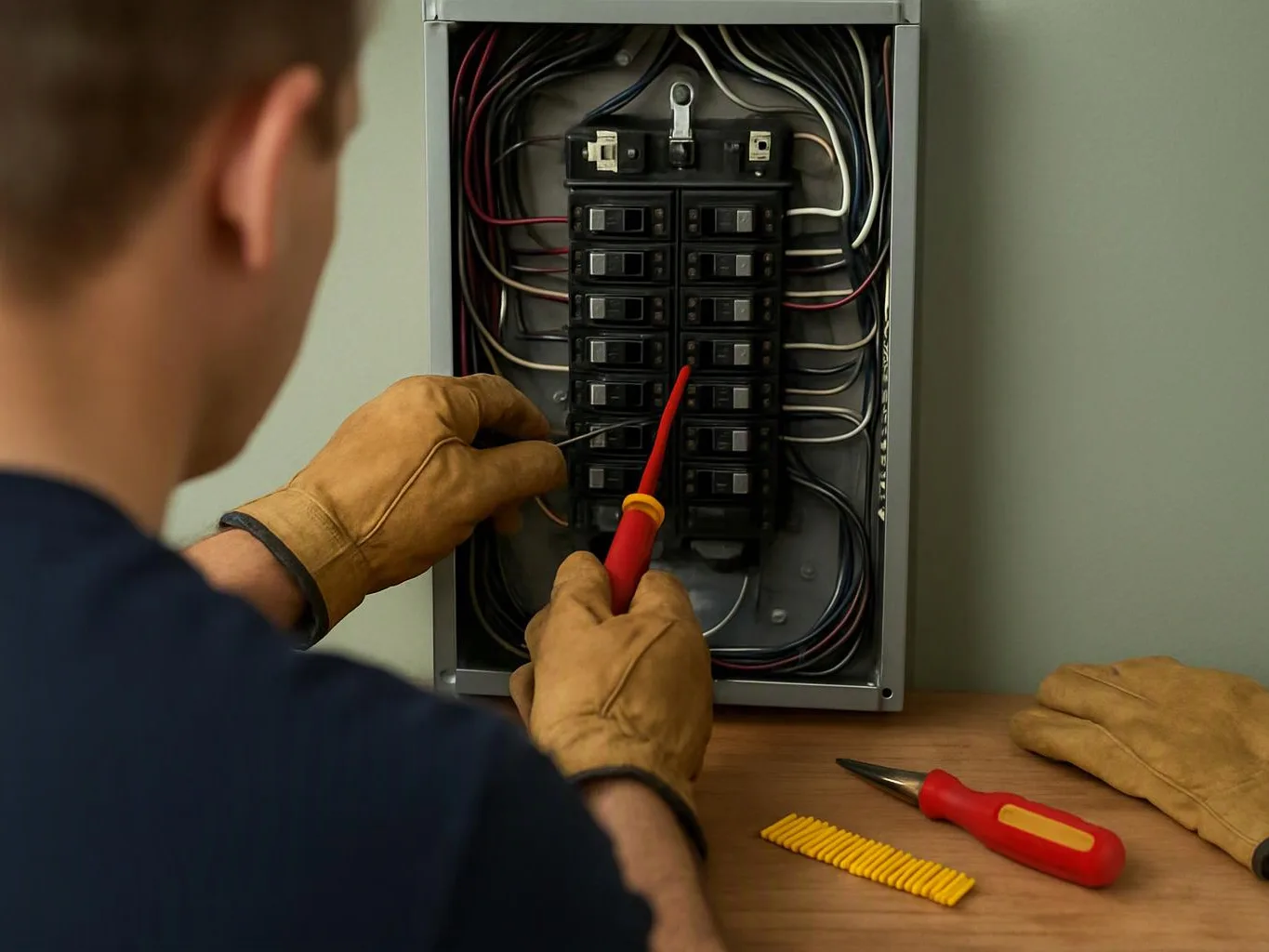
A gloved electrician works on an open breaker panel with tools on a wooden table

ZIP Codes We Serve in Carmel, Indiana

460324603346082

Bidirectional charging system troubleshooting in Other Areas

(317) 608-1220