Skip to content

Bidirectional Charging System Troubleshooting in Warren Park, Indiana

Isolation monitor faults can expose a system to unsafe electrical paths in Warren Park. We check the charging system and explain the next repair step.

Licensed & InsuredWarranty AvailableSame-Day ServiceUpfront, Transparent Pricing

Quick Summary: Bidirectional charging system troubleshooting in Warren Park, Indiana

Bidirectional charging system troubleshooting in Warren Park is provided by GMB Electric for homeowners and businesses. The service checks charging controls, power flow, wiring, and system safety as part of our 24-hour electrical service.

  • What we do: GMB Electric provides Bidirectional charging system troubleshooting for Warren Park, Indiana properties, including checks of system controls, wiring, and power transfer parts.
  • What is included: Key capabilities include fault isolation, control checks, charging cable inspection, transfer switch testing, and electrical safety review.
  • What you get: The customer receives a clear diagnosis and a practical decision about repair, replacement, or added electrical work.

Which components are checked when bidirectional charging keeps failing?

The isolation monitor, power electronics, control module, charging cable, and transfer switch are checked during bidirectional charging troubleshooting. Testing helps separate a system fault from a wiring, connection, or power supply issue.
Scope and Service Overview for Warren Park

Bidirectional charging system troubleshooting focuses on systems that charge an electric vehicle and send power back to a property. The job suits homeowners, property managers, and businesses that see failed charge cycles, warning messages, unstable power transfer, or repeated system shutdowns.

The key decision is whether the fault sits in the charging equipment, the property wiring, or a connected transfer device. We inspect the available equipment, trace the fault, and explain whether the next step is a repair, an electrical upgrade, or equipment service by another party.

  • Check the isolation monitor and system safety readings.
  • Trace control wiring and inspect power connections.
  • Review the charging cable and vehicle connection.
  • Test the transfer switch when power moves to the property.
  • Separate equipment faults from property-side electrical faults.
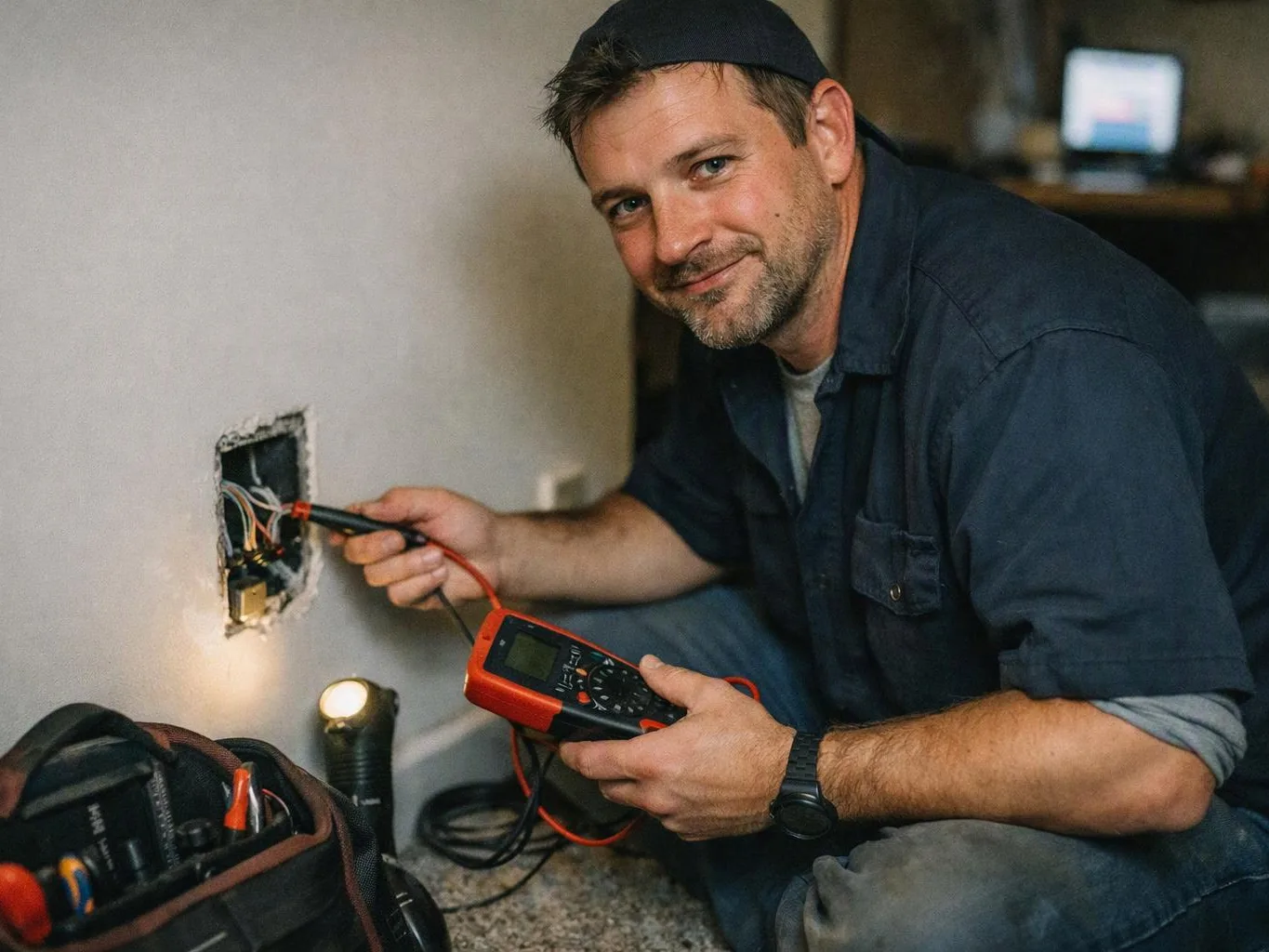
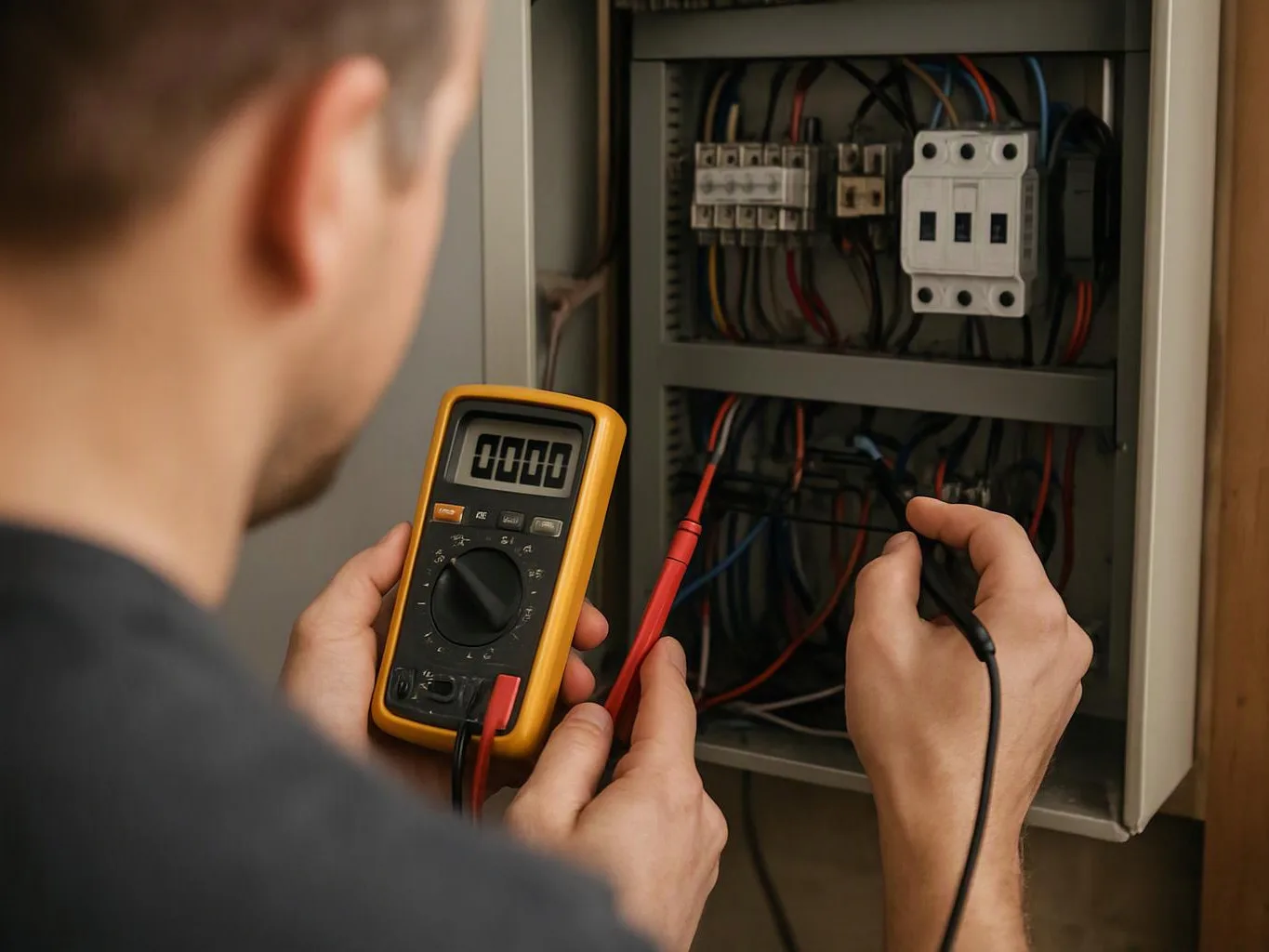
A man tests wiring inside an open electrical panel with a digital multimeter

Service Overview

Bidirectional charging system troubleshooting is a diagnostic service that finds faults in equipment designed to move power in both directions.

  • This work checks charging controls and transfer equipment, while a standard EV charging installation focuses on setting up one-way vehicle charging.
  • GMB Electric provides this service for Warren Park homes and businesses as part of its electrical service coverage.

What this charging system check helps you decide

A focused diagnosis helps separate a charger fault from a property wiring problem.

Testing reduces guesswork when the system stops charging or will not transfer power.

A written explanation of the findings helps you discuss equipment service with the right party.

The inspection can identify unsafe connections before they affect household or business power.

Clear recommendations help you choose between repair, replacement, or additional electrical work.

What bidirectional charging troubleshooting includes

GMB Electric provides comprehensive Bidirectional charging system troubleshooting in Warren Park. Here's what you get:

  • We inspect the isolation monitor for faults that can interrupt safe power transfer.
  • We check power electronics for signs of failed switching or unstable output.
  • We review the control module and its wiring for communication or command faults.
  • We inspect the charging cable, plugs, and connection points for visible damage or poor contact.
  • We test the transfer switch when the system sends power into the property.
  • We explain the findings and outline the next electrical repair or service step.
Process

How bidirectional charging faults are checked

1

Record the reported fault

We review the warning message, failed action, and recent changes to the charging system or property wiring.

2

Inspect equipment and connections

We examine the charging cable, control wiring, visible terminals, and equipment condition before deeper testing.

3

Trace the power and control paths

We follow the circuit and control signals through the charging equipment and connected property electrical parts.

4

Test the transfer function

We check the transfer switch and related controls when the system is meant to send power to the property.

5

Explain the repair path

We share the diagnosis and identify whether the next step is electrical repair, equipment service, or further system review.

What customers get from this charging system diagnosis

A fault path built around the equipment

We follow the system from the vehicle connection through the control module and transfer equipment. The service is the wrong fit when the issue is limited to vehicle software or a manufacturer-only repair.

Residential and commercial electrical knowledge

Bidirectional charging connects specialized equipment to a property's electrical system. Our residential and commercial experience helps us review panels, circuits, grounding, and power demand around the charging equipment.

Licensed and insured electricians

GMB Electric provides this service through licensed and insured electricians. We work carefully around energized equipment and explain what we find before discussing the next step.

Charging fault areas and next decisions

The likely fault area changes what we test and which repair path makes sense.

Fault areaWhat we checkPossible next decision
Charging equipment faultPower electronics, control signals, and equipment connectionsRepair or equipment service review
Property circuit faultPanel connection, circuit wiring, grounding, and protective devicesElectrical repair or circuit work
Transfer equipment faultTransfer switch operation and control wiringTransfer equipment repair or further testing

The GMB Electric Standard

  • Urgent Assistance
  • Problem Diagnosis
  • Safe Repairs
  • Clear Communication

Questions about bidirectional charging system faults

Which components are checked during bidirectional charging troubleshooting?

The isolation monitor, power electronics, control module, charging cable, and transfer switch are checked first. We also inspect connected wiring and the property circuit when the fault may extend beyond the charging equipment. The test path follows the reported symptom, so we do not treat every warning as the same failure.

How is the charging system matched to the property before work starts?

The property's panel, circuit, grounding, and transfer equipment are matched to the charging system before testing begins. We review how power enters the property and how the equipment sends power back. This step helps separate a system fault from an electrical capacity or connection issue.

What should be ready before troubleshooting starts?

The equipment location, warning message, charging cable, and recent system changes should be ready for review. Keep access clear around the charger, panel, and transfer equipment. Photos of error screens can help, but do not remove covers or handle damaged electrical parts.

What changes the quote for this charging system work?

The quote changes with equipment access, fault location, testing needs, and any property-side electrical repair. A fault inside the charger may need a different next step than a damaged circuit or transfer switch. We assess the system before explaining the work involved.

When should a charging fault be treated as urgent?

A burning smell, buzzing equipment, visible damage, or repeated breaker trips calls for urgent electrical attention. Stop using the affected equipment and keep people away from exposed parts. We handle urgent electrical issues and assess the affected circuit before recommending continued use.

What should a customer ask before agreeing to troubleshooting?

Ask which equipment will be tested, what access is needed, and what findings will change the repair decision. We explain the test scope, the parts under review, and the difference between an electrical repair and an equipment-service issue. That gives you a clearer basis for approving the next step.
Contact

Request a Quote for Bidirectional Charging Troubleshooting

Share the equipment details and warning signs for a quote, and urgent requests get priority scheduling.

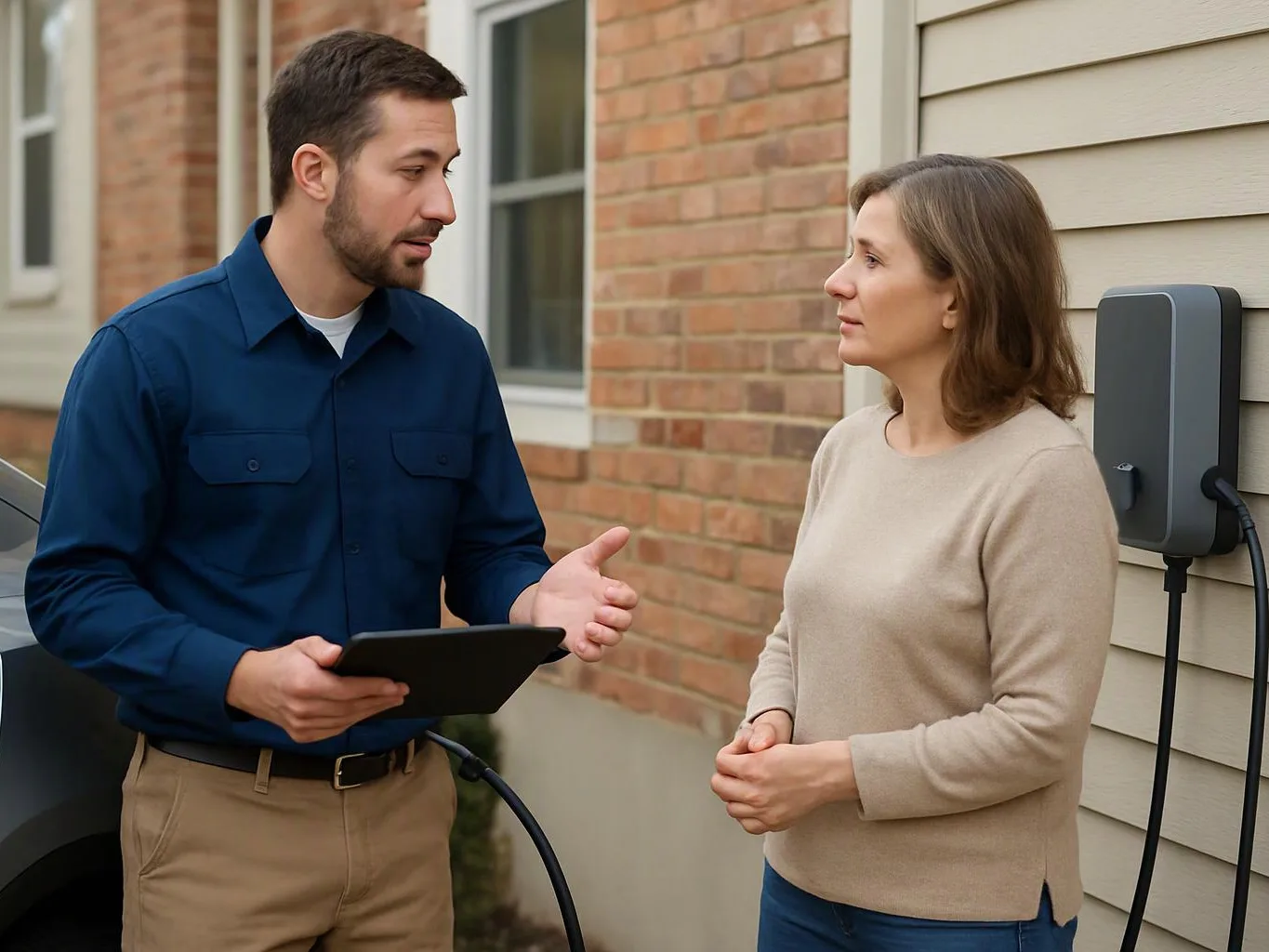
A man holds a tablet while speaking to a woman beside a wall-mounted charging unit outside a house

Bidirectional charging system troubleshooting in Other Areas

(317) 608-1220