Skip to content

Bidirectional Charging System Troubleshooting in Pittsboro, Indiana

Voltage testing needs replacement when readings stay unsafe, but adjustment may solve a setup fault in Pittsboro. We check the charging path before choosing either step.

Licensed & InsuredWarranty AvailableSame-Day ServiceUpfront, Transparent Pricing

Quick Summary: Bidirectional Charging System Troubleshooting in Pittsboro, Indiana

Supporting Pittsboro means adapting our process to the specific scope each client brings.

  • What we do: GMB Electric provides bidirectional charging system troubleshooting for homeowners and businesses in Pittsboro, Indiana.
  • What is included: Voltage testing, pilot signal checks, ground fault checks, battery state review, and connection status checks.
  • What you get: The customer receives a clear diagnosis of the charging fault and the next repair or adjustment decision.

Why does my vehicle-to-home charger keep stopping in Pittsboro, Indiana?

Voltage testing identifies whether the charger receives and sends the expected electrical supply. Pilot signal, ground fault, battery state, and connection status checks then show why charging stops or fails to begin. GMB Electric uses these findings to separate an electrical fault from a vehicle, charger, or setup issue.
Bidirectional Charging System Troubleshooting in Pittsboro

Bidirectional charging lets an electric vehicle exchange power with a property. A fault can sit in the supply circuit, charger controls, vehicle settings, or connection path.

This service is for customers who see failed charging, repeated stops, warning messages, or no power transfer. The key decision is whether the fault needs an electrical repair, a system adjustment, or further review of the vehicle or charger.

We focus on the electrical side of the problem. A diagnostic visit does not replace a vehicle repair or a new charging installation when those are the actual needs.

  • Confirm whether the vehicle receives power from the charger.
  • Check the electrical path and control signals.
  • Separate an electrical fault from a vehicle or charger setting issue.
  • Document the next repair or adjustment decision.
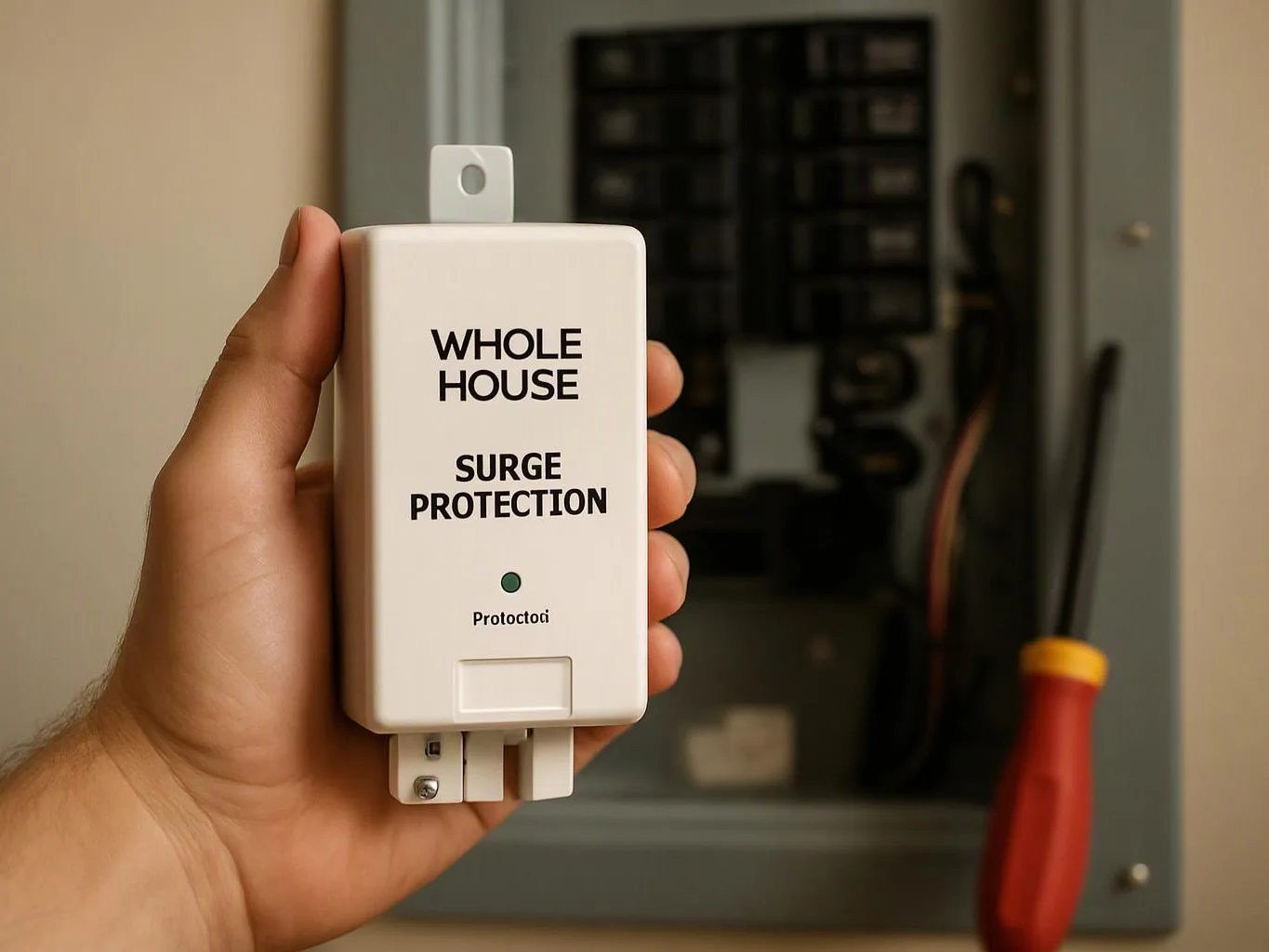
A hand holds a white whole-house surge protection device in front of an open electrical panel

Service Overview

Bidirectional charging system troubleshooting is an electrical service that checks why a vehicle cannot send power to a home or receive it as expected.

  • This work differs from standard EV charging installation because it diagnoses an existing two-way charging system instead of setting up a new one.
  • GMB Electric provides this troubleshooting service for homes and businesses in Pittsboro.
Process

How We Trace a Bidirectional Charging Problem

1

Review the charging symptom

We note when charging stops, whether power transfer starts, and what warning the vehicle or charger shows.

2

Check the electrical supply

We inspect the circuit and take voltage readings at relevant points in the charging path.

3

Test control and protection signals

We review the pilot signal, ground fault status, and connection status while the system attempts to charge.

4

Compare vehicle readiness

We consider battery state and related system conditions to separate vehicle readiness from property wiring faults.

5

Set the next work scope

We explain whether the findings support an adjustment, electrical repair, equipment review, or a different service.

When this service is the right fit

A typical situation involves a home or small business where the vehicle connects but power transfer stops. We check the electrical supply, control signal, ground fault status, battery state, and connection path before setting the repair scope. The customer then knows whether to request electrical work or seek equipment support.

How We Approach Bidirectional Charging Faults

Voltage readings guide the repair decision

Voltage testing shows whether the electrical supply matches the charging system’s needs. We use the readings to decide whether the issue points to wiring, protection, controls, or equipment.

Control signals receive their own check

The pilot signal tells the vehicle and charger how to begin and manage charging. We review that signal with connection status, so a control fault does not get mistaken for a power fault.

Know when this service is the wrong job

This service is not the right fit when the main issue is an internal vehicle battery fault or a charger that needs replacement without an electrical diagnosis. We explain that limit when the checks point outside the property wiring.

What Bidirectional Charging System Troubleshooting Includes

GMB Electric provides comprehensive Bidirectional charging system troubleshooting in Pittsboro. Here's what you get:

  • We inspect the charging circuit and related electrical connections.
  • We check voltage at the relevant points in the charging path.
  • We review pilot signal behavior during the charging attempt.
  • We check ground fault status and connection status.
  • We consider the battery state shown during the fault.
  • We explain whether the next step is an adjustment, repair, or further equipment review.

What This Charging Diagnosis Helps You Decide

A structured diagnosis reduces guesswork when charging stops without a clear cause.

The findings help separate an electrical supply problem from a vehicle or charger control problem.

You receive a practical next-step recommendation based on the condition we find.

Early fault isolation can help protect the property from continued electrical stress.

Charging Faults and the Right Next Step

These conditions help distinguish an electrical diagnosis from a different service need.

Charging conditionBest next step
Vehicle connects but power stopsRequest electrical troubleshooting of supply, controls, and protection.
New charger has not been installedRequest charging installation planning instead of fault diagnosis.
Vehicle battery fault appears without property symptomsSeek vehicle or equipment support after the electrical side is checked.

The GMB Electric Standard

  • Urgent Assistance
  • Problem Diagnosis
  • Safe Repairs
  • Clear Communication

Questions About Bidirectional Charging System Troubleshooting

How can vehicle-to-home charging problems be diagnosed?

Voltage testing shows whether the charging circuit has the expected supply. GMB Electric then checks the pilot signal, ground fault status, battery state, and connection status. These checks separate a property wiring fault from a vehicle setting or charger control issue. We use the findings to explain the next repair or adjustment.

Which material changes how long the charging diagnosis takes?

The charging equipment and wiring layout change the work needed for diagnosis. Accessible copper conductors are easier to test than wiring hidden behind finished surfaces. Circuit access, connection points, warning codes, and fault history also affect the checks. We review the setup before describing the work scope.

How does a charging diagnosis move from the first call to the last step?

The process starts with the symptom and ends with a documented next-step decision.

  1. We review the vehicle and charger behavior.
  2. We test the electrical supply and connection path.
  3. We check pilot, ground fault, battery, and connection conditions.
  4. We explain the repair, adjustment, or equipment-review path.

What should I share before requesting this service?

Vehicle details, charger information, warning messages, and the moment charging stops help shape the first review. Photos of the charger, panel, and visible wiring can also show access needs. We still verify the electrical condition on site before setting the repair scope.

When does a charging fault need urgent electrical attention?

A burning smell, buzzing panel, sparking connection, or repeated breaker trip needs urgent electrical attention. Stop using the affected equipment if it shows a clear hazard. We handle urgent electrical calls, but the system must be assessed before charging resumes.

How can a customer tell whether this service fits the property?

An existing vehicle-to-home charger with failed, stopped, or incomplete power transfer fits this service. A new charger installation needs installation planning, while an internal vehicle battery fault needs vehicle service. We assess the electrical side and explain when the problem falls outside that scope.

Which part of the setup should I check before calling?

The visible connection, charger display, breaker position, and vehicle warning message provide useful starting details. Do not open energized equipment or remove covers to gather more information. We can inspect the circuit, connection status, and protection devices during the electrical assessment.
Contact

Request a Bidirectional Charging System Troubleshooting Quote in Pittsboro

Tell us what the vehicle and charger are doing, and urgent requests get priority scheduling.

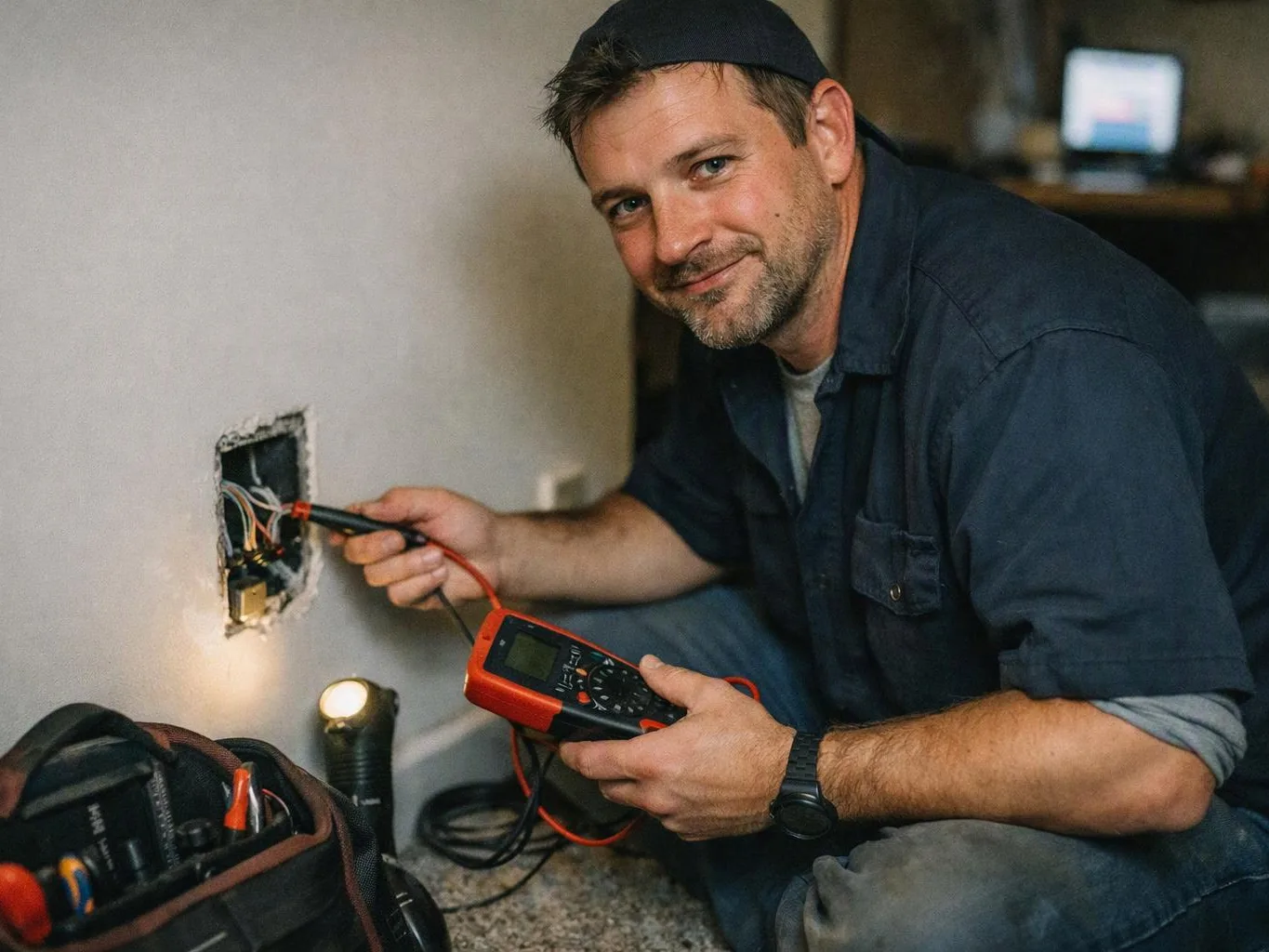
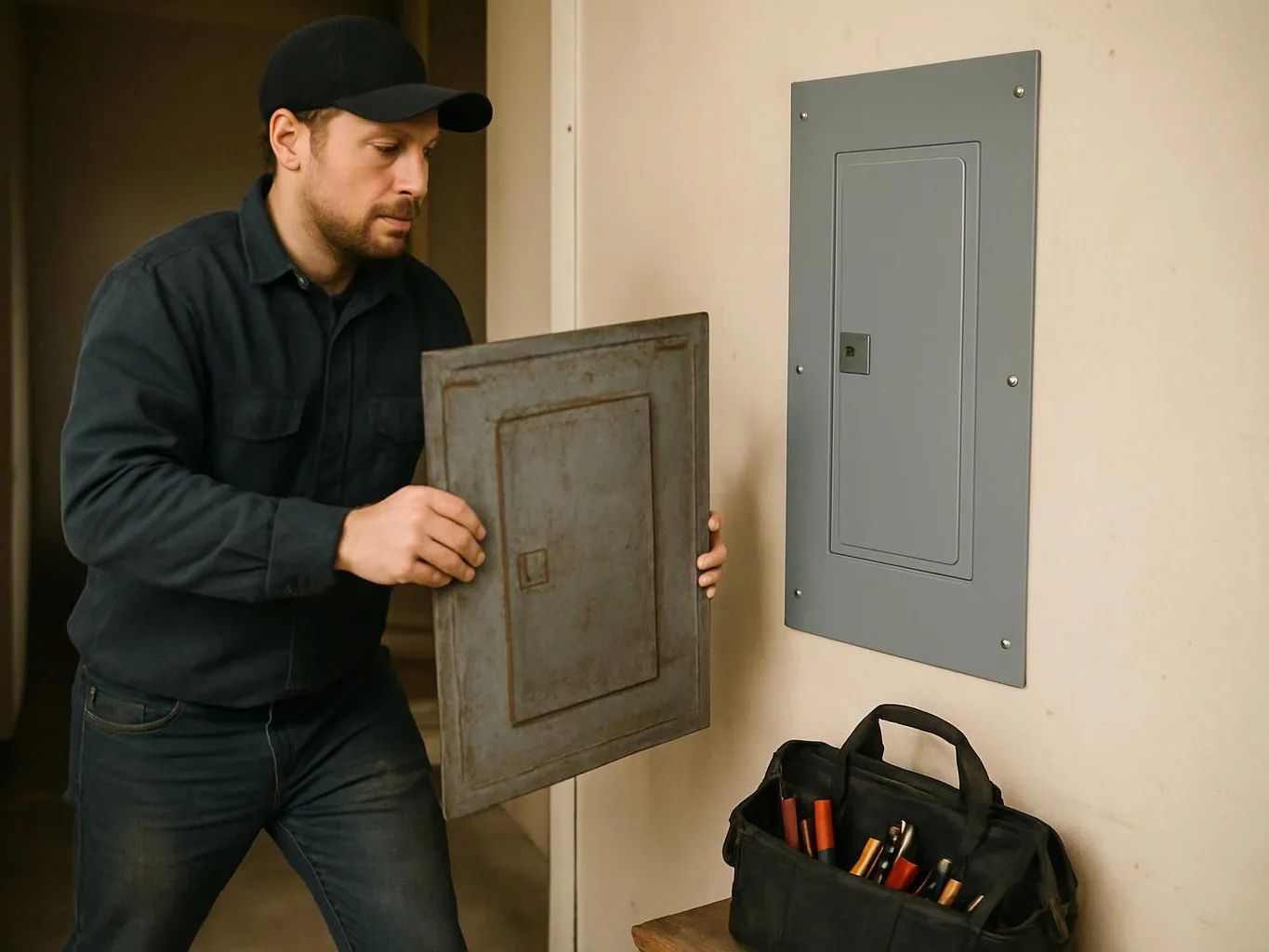
A man in a cap installs a metal panel beside an electrical box, with a tool bag on the floor

ZIP Codes We Serve in Pittsboro, Indiana

46167

Bidirectional charging system troubleshooting in Other Areas

(317) 608-1220